Regulatory status check
Cazeus licence and UKGC status: what the register shows
 Available in GB
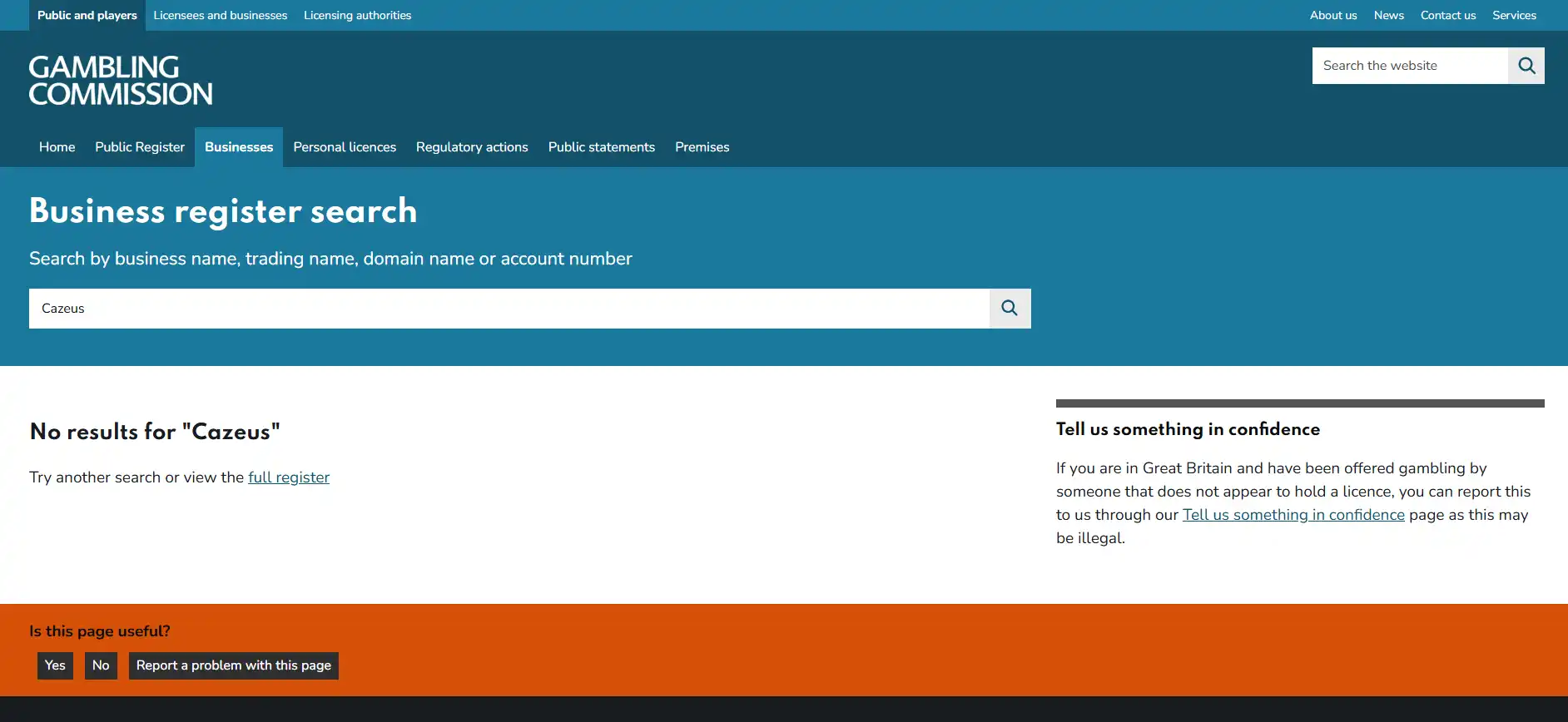
No verified UK Gambling Commission licence was found for Cazeus in the current public-register check. That matters for readers in England, Scotland and Wales because operators providing remote gambling to consumers in Great Britain need a UKGC licence. The conclusion is deliberately narrow: it is a register result, not a claim that Cazeus is “fully legal” or “illegal” across every part of the United Kingdom. Northern Ireland has a separate gambling-law framework, so the Great Britain licensing test should not be copied across the whole UK without that distinction.
UKGC register and guidance rechecked: 24 September 2026.
Direct answer
Table of Contents
- The Cazeus UKGC check returned no verified local licence
- A website being reachable is not the same as a verified Great Britain licence
- Why the UKGC register is the decisive source for England, Scotland and Wales
- Great Britain and Northern Ireland must be separated in a Cazeus licence check
- GAMSTOP is a licensed-sector protection, not proof of Cazeus participation
- A withdrawal process does not establish regulatory authorisation
- Product breadth does not change the register result
- Why this page does not name a non-UK Cazeus licence
- How to read a no-hit register result without overreaching
- How a UK reader can independently recheck Cazeus licence status
The Cazeus UKGC check returned no verified local licence
The UK Gambling Commission business register was rechecked for the Cazeus name and the cazeus.com domain on 24 September 2026. No verified UKGC licence entry was found for those searches. The register itself was marked as updated on the same date.
For a Great Britain reader, that is the most important regulatory fact on this page. UKGC guidance says a business needs a Commission licence if it provides facilities for remote gambling to consumers in Great Britain, including where the business itself is based abroad. A review-site badge, an operator marketing statement or a foreign-jurisdiction label is not a substitute for a current UKGC register entry when the question is whether a Great Britain licence can be verified.
| Question | Verified answer | What not to infer |
|---|---|---|
| Was a Cazeus UKGC licence found? | No verified register hit was found in the current check. | This is not a blanket legal judgement about every UK jurisdiction. |
| Is a UKGC licence required to serve Great Britain remotely? | Yes. UKGC guidance says remote operators serving consumers in Great Britain need a Commission licence. | Do not treat website access as proof of authorisation. |
| Does the same regulator cover Northern Ireland in the same way? | No. UKGC regulates gambling in Great Britain, while Northern Ireland has a separate framework. | Do not use “UK” as though the regulatory position were identical in all four nations. |
| Can GAMSTOP be attributed to Cazeus from this evidence? | No. GAMSTOP is part of the Great Britain licensed-sector framework. | Do not assume Cazeus participates without verified UKGC licensing evidence. |
Open the UK Gambling Commission business register
Authorisation versus access
A website being reachable is not the same as a verified Great Britain licence
Availability and authorisation answer different questions. A reader can encounter a casino website, a cashier, games or promotional material without that interaction proving the operator is licensed by the UK Gambling Commission. The licensing question needs a regulator check of its own.
That separation is especially useful when comparing the product detail covered elsewhere on this site. The Cazeus UK review can describe verified product features, while this page handles the narrower question of Great Britain regulatory status. Similarly, the existence of Cazeus payments or a visible game catalogue does not change the UKGC register result.
The same principle works in reverse. A no-hit register result does not tell you which payment method will work, whether a particular game loads or how an account-specific verification request will be handled. Those are separate operational facts and should be checked from their own evidence.
Keep four questions separate
- Can the website or account be accessed?
- Can a specific product or payment option be used?
- Is a Great Britain licence visible in the UKGC register?
- Which consumer-protection scheme can actually be tied to that licence?
Great Britain rule
Why the UKGC register is the decisive source for England, Scotland and Wales
The UKGC remote-sector guidance states that a licence is needed when a business provides facilities for remote gambling to consumers in Great Britain. It gives the practical example that an overseas business still needs a licence when its website or app can be played by people in England, Scotland or Wales. The operator’s physical base therefore does not remove the Great Britain licensing requirement.
This is why the public register is more useful than a list of licence logos copied by review sites. The question is not whether an operator can point to any gambling jurisdiction somewhere in the world. For a British consumer asking about UKGC status, the relevant question is whether a current Commission licence can be matched to the business or domain.
No such match was verified for Cazeus in the current check. That does not require this page to select a foreign regulator from competing third-party descriptions. A non-UK licence should be named only when a current regulator record or other sufficiently strong evidence resolves the operator and licence identity. This page does not make that attribution.
Read the UKGC remote-sector licensing guidance
Territorial scope
Great Britain and Northern Ireland must be separated in a Cazeus licence check
UKGC’s remit page says the Commission regulates remote gambling offered to consumers in Great Britain and does not regulate the provision of remote gambling in Northern Ireland. Northern Ireland instead has its own gambling-law framework, principally built around the Betting, Gaming, Lotteries and Amusements (Northern Ireland) Order 1985 as amended in 2022.
For readers, the practical lesson is about wording. “No verified UKGC licence was found” is precise. “Cazeus has no UK licence of any kind” would collapse different legal frameworks into one sentence and go beyond what the register check proves. This page therefore uses Great Britain when discussing the Commission’s remote operating-licence requirement.
That distinction also explains why broad claims such as “legal in the UK” or “illegal in the UK” are not used here. A regulator register is excellent evidence for whether a specific licence can be verified. It is not, by itself, a complete legal opinion covering every factual circumstance, product, location and customer relationship.
See what the UK Gambling Commission regulates
Territory at a glance
England, Scotland and Wales
UKGC remote licensing rules apply to operators serving consumers in Great Britain.
Northern Ireland
Separate gambling-law framework; do not present UKGC remote regulation as identical.
Consumer protection
GAMSTOP is a licensed-sector protection, not proof of Cazeus participation
The Gambling Commission describes GAMSTOP as an online multi-operator self-exclusion scheme and states that gambling businesses under its regime must participate. For a Great Britain player, this is one reason licence verification matters: a verified local licence connects the operator to specific regulatory requirements and consumer-protection mechanisms.
The current evidence does not justify saying that GAMSTOP applies to Cazeus. No verified Cazeus UKGC licence was found in the register check, so this guide does not attribute UKGC-linked self-exclusion coverage to the brand. A reader searching for “Cazeus GAMSTOP” should treat those as two separate questions: what GAMSTOP requires from licensed operators, and whether Cazeus has a verified licence that places it inside that framework.
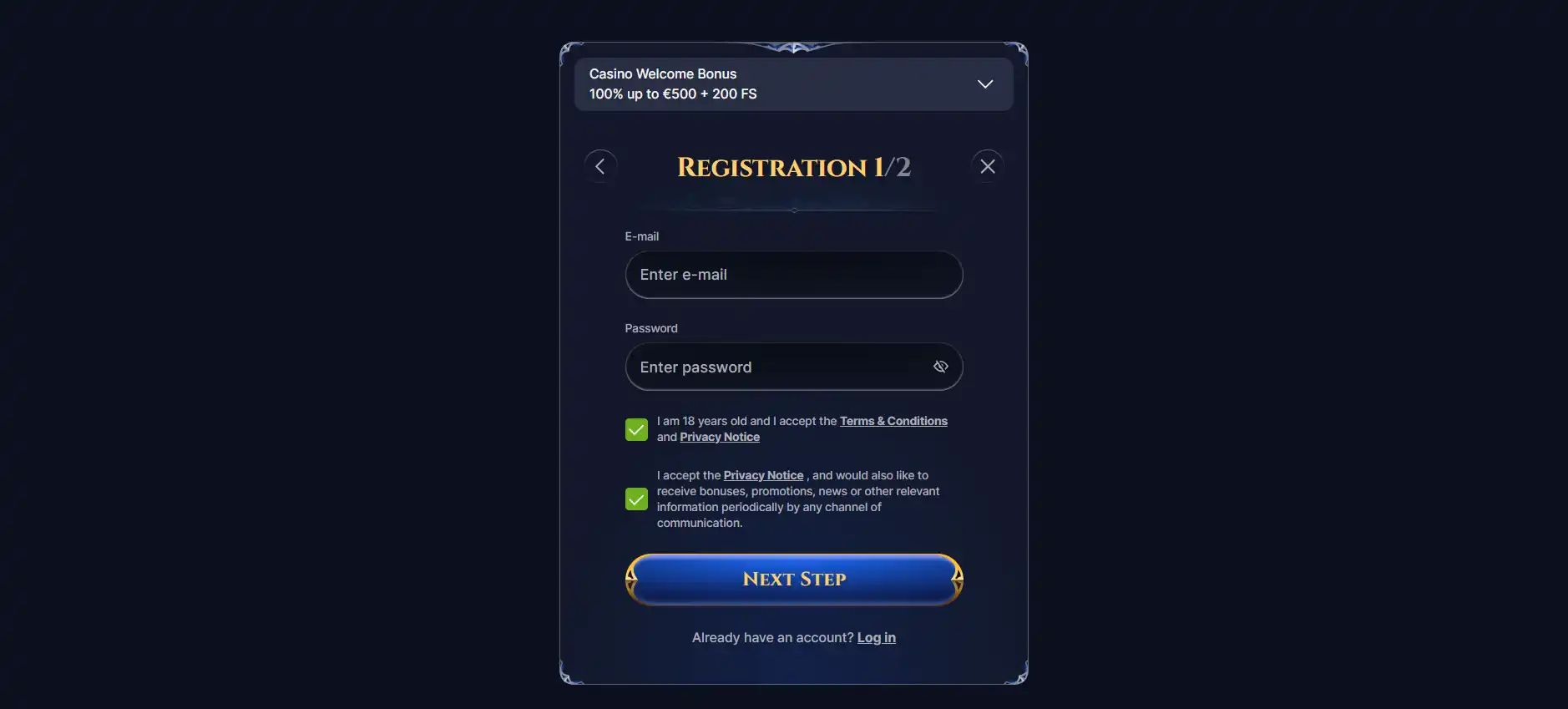
This distinction is more useful than assuming a protection from branding or site accessibility. If self-exclusion coverage is an important requirement for you, verify the operator in the Commission register before relying on a scheme that is tied to the licensed market. Cazeus does have account-related processes discussed in the Cazeus verification, but account verification is not evidence of regulatory self-exclusion membership.
Read the UKGC GAMSTOP guidance
Payments and licence status
A withdrawal process does not establish regulatory authorisation
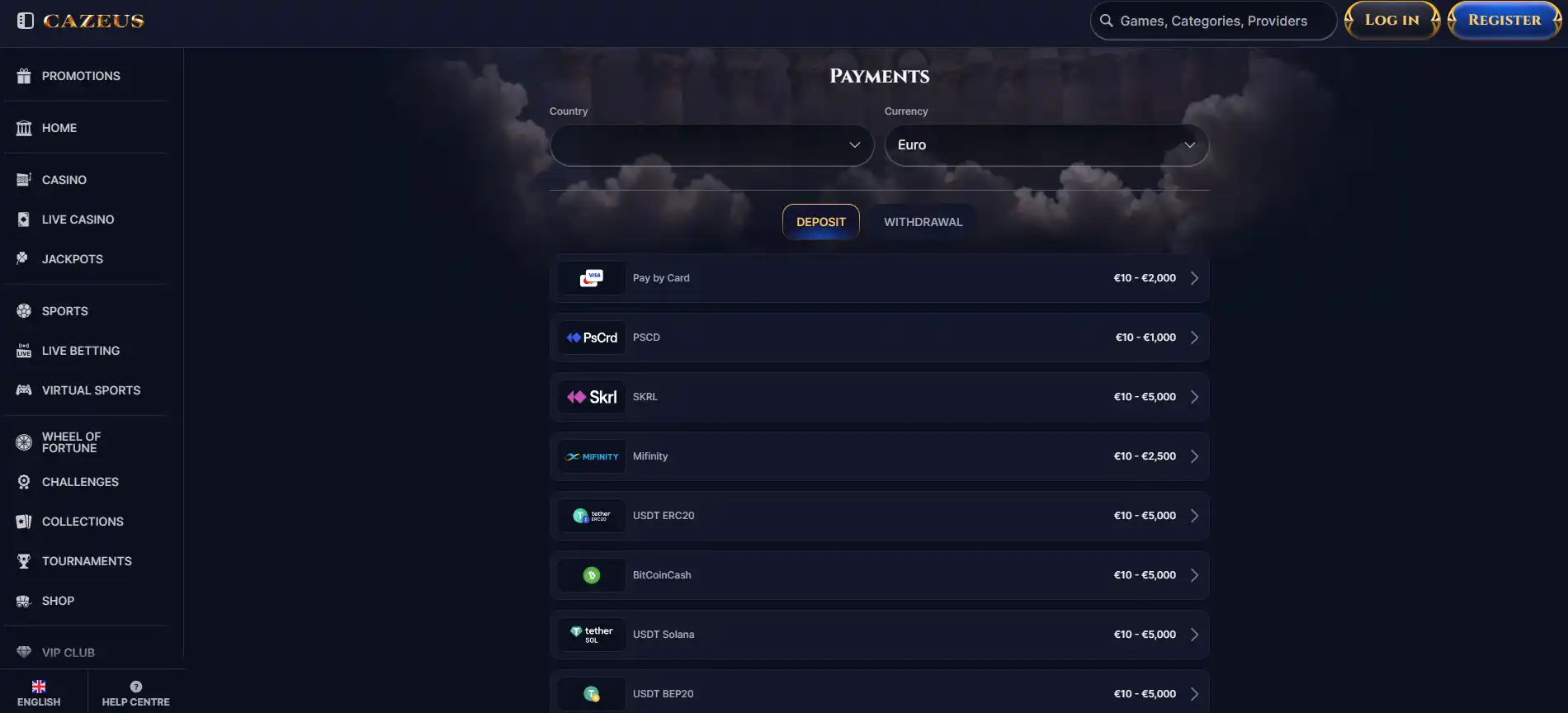
A casino can publish cashier rules and account-verification steps without those documents proving a Great Britain operating licence. If your immediate concern is payout mechanics, use the dedicated Cazeus withdrawals. It keeps timing, verification and payment mechanics separate from the regulator question.
That separation reduces two common mistakes: treating a successful payment as proof of licensing, or treating a licensing concern as proof that every individual transaction will fail. Neither conclusion follows from the evidence on this page.
Games and promotions
Product breadth does not change the register result
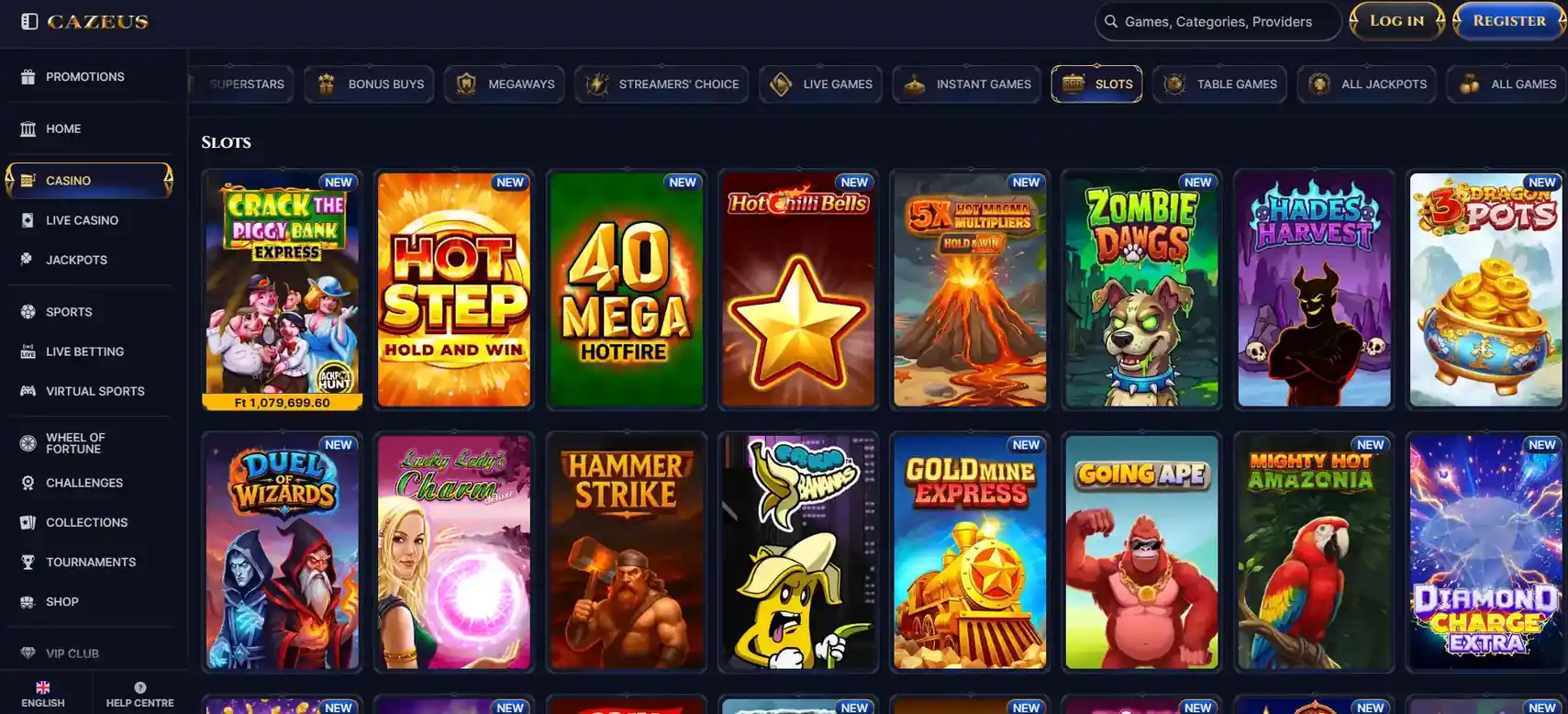
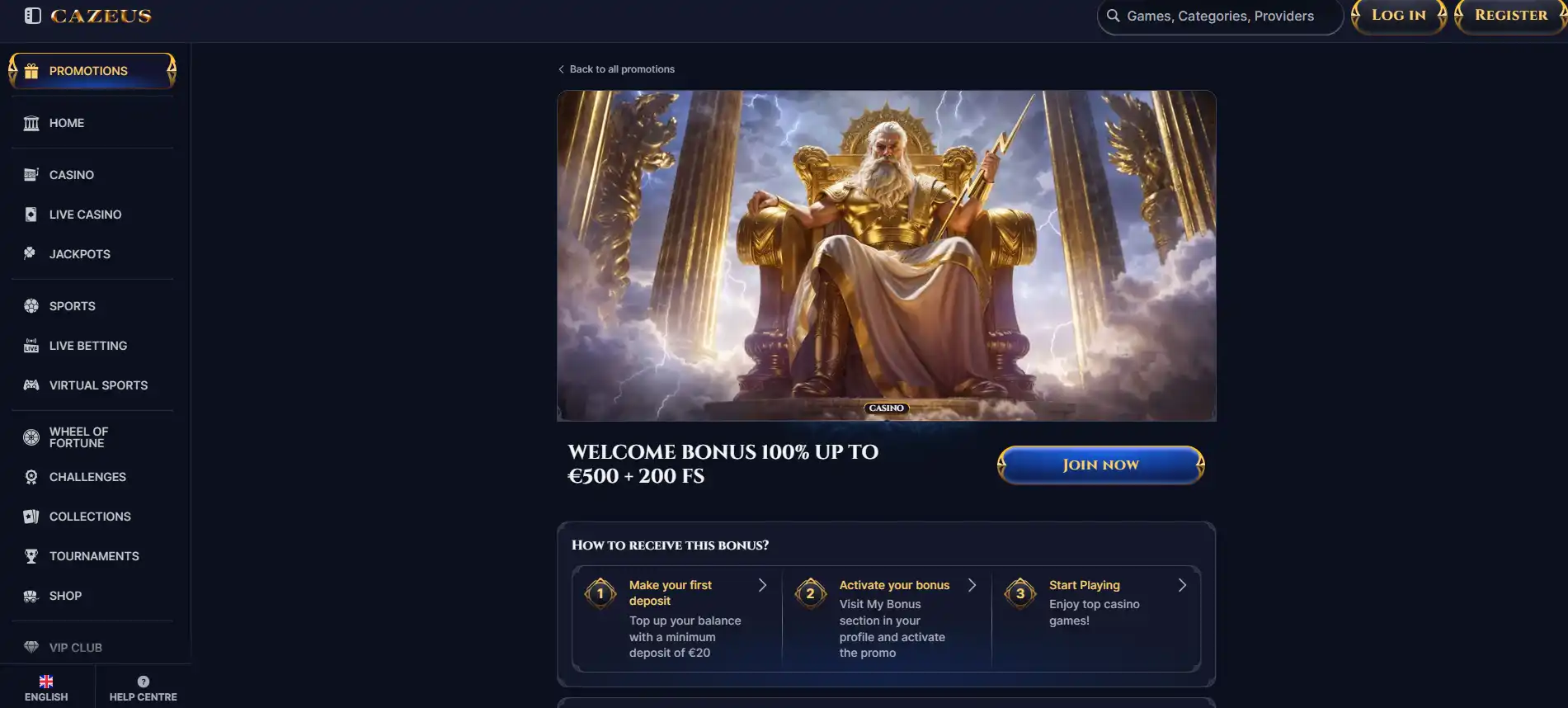
The presence of a large lobby or promotional catalogue is a product question, not a licence test. Readers researching content can use the Cazeus slots and Cazeus bonuses, but those pages should not be read as evidence that UKGC authorisation exists.
Keeping product evidence and licensing evidence separate makes the review easier to audit. Each claim is judged against the source suited to that question rather than using one type of evidence to answer another.
Foreign licence claims
Why this page does not name a non-UK Cazeus licence
Casino reviews often repeat a regulator name, licence number or operator company from another review. That is not sufficient for this page. A current foreign licence would need its own reliable evidence, ideally a regulator register that identifies the operator and connects it to the brand or domain.
No foreign regulator identity is attributed here because the material used for this page does not establish one to that standard. The absence of a named foreign licence in this article should not be read as a claim that none exists anywhere. It means only that this guide will not convert unresolved third-party labels into a specific regulatory fact.
This conservative treatment is important because a foreign licence and a UKGC licence answer different questions anyway. Even a verified licence in another jurisdiction would not replace the Great Britain requirement described by UKGC guidance when remote gambling is provided to consumers in England, Scotland or Wales.
Reader method
How to read a no-hit register result without overreaching
Start with what the evidence actually says: no verified UKGC register hit was found for Cazeus or cazeus.com in the current check. That is a strong answer to the narrow question “can a UKGC licence be verified now?” It is not a substitute for a court ruling, legal advice, or a complete investigation of every entity that might have a commercial relationship with the site.
Next, keep date sensitivity in mind. Public register data can change over time. That is why this page records the check date and gives readers a repeatable method rather than presenting the result as permanent.
Finally, match the protection to the licence you can verify. If a feature depends on UKGC-regulated status, do not assume it applies solely because the casino is accessible, uses pounds somewhere in a cashier, asks for KYC, or has UK-facing search results. Check the regulator first, then judge the feature in the context of that verified status.
Independent recheck
For future checks, keep the evidence trail narrow and repeatable: search the UKGC business register by brand and domain, open any possible match, confirm the current licence status and record the date. If no match can be tied to Cazeus or cazeus.com, report that no UKGC licence was verified by the search rather than substituting an affiliate badge or an unresolved foreign-licence claim.
How a UK reader can independently recheck Cazeus licence status
Open the UK Gambling Commission business register and search both “Cazeus” and “cazeus.com” rather than relying on a review-site licence badge. Using both terms matters because the register is designed to identify businesses through names and domains, and a brand name alone is not always the same as a legal business name. If a candidate record appears, open it and confirm that the business, trading name or domain actually connects to the casino you are checking, then read the current licence status rather than stopping at the name alone. Record the date because register data can change. If no matching record appears, keep the conclusion narrow: no UKGC licence has been verified by that check. For Great Britain readers, pair that result with the Commission’s remote-sector rule that operators serving consumers in England, Scotland and Wales need a UKGC licence, while keeping Northern Ireland’s separate framework distinct.
Prepared by the Cazeus Casino editorial staff.